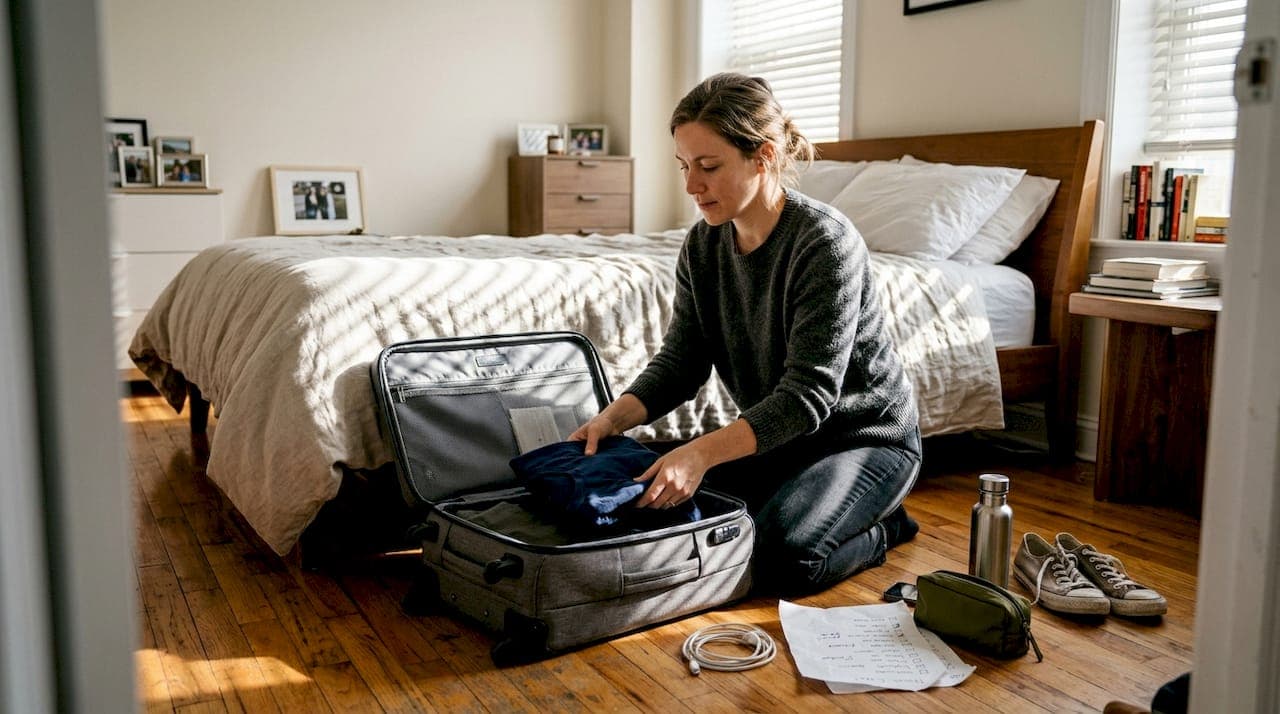
Packing for a trip should not feel like solving a puzzle with missing pieces. Yet time-constrained leisure travelers often face the same challenge: how to pack quickly, avoid forgotten items, and still have everything needed for a smooth vacation. The secret lies in using proven frameworks that prioritize versatile essentials, repeatable systems, and carry-on efficiency. By focusing on multi-use items and structured packing methods, you can reduce preparation time to under 20 minutes while avoiding baggage fees and travel stress. This guide walks you through criteria for selecting essentials, top items to pack, system comparisons, and decision frameworks tailored for efficient leisure travel.
Table of Contents
- Key Takeaways
- Setting criteria for packing list essentials
- Top packing list essentials for efficient leisure travel
- Comparing packing options: modular cubes vs. fixed capsules
- Making the final packing decision for your trip
- Plan your trips confidently with DestList
- FAQ
Key Takeaways
| Point | Details |
|---|---|
| Versatile multi use items | Choose items that serve multiple purposes to reduce pack volume and decision fatigue. |
| Repeatable packing systems | Use routines like the 54321 capsule and packing cubes to achieve under twenty minutes packing. |
| Carry on focus | Build your list around carry on dimensions to avoid fees and delays. |
| Merino layers priority | Merino wool shirts and base layers regulate temperature and limit odor for extended wear. |
Setting criteria for packing list essentials
Before throwing items into a suitcase, establish clear criteria to evaluate what truly belongs on your packing list. The most effective approach combines time-saving methods with practical evaluation standards. Repeatable systems like the 54321 capsule help you pack in under 20 minutes by focusing on versatile merino layers and organized cubes for carry-on efficiency. This method avoids the 60% baggage fee risks that come with checked luggage.
Your packing criteria should center on four core principles. First, versatility matters most. Each item should serve multiple purposes, like a merino wool shirt that works for both casual dinners and active excursions. Second, weight directly impacts mobility and airline restrictions. Third, necessity separates wants from needs. Fourth, modularity allows you to swap items based on trip type without rebuilding your entire system.
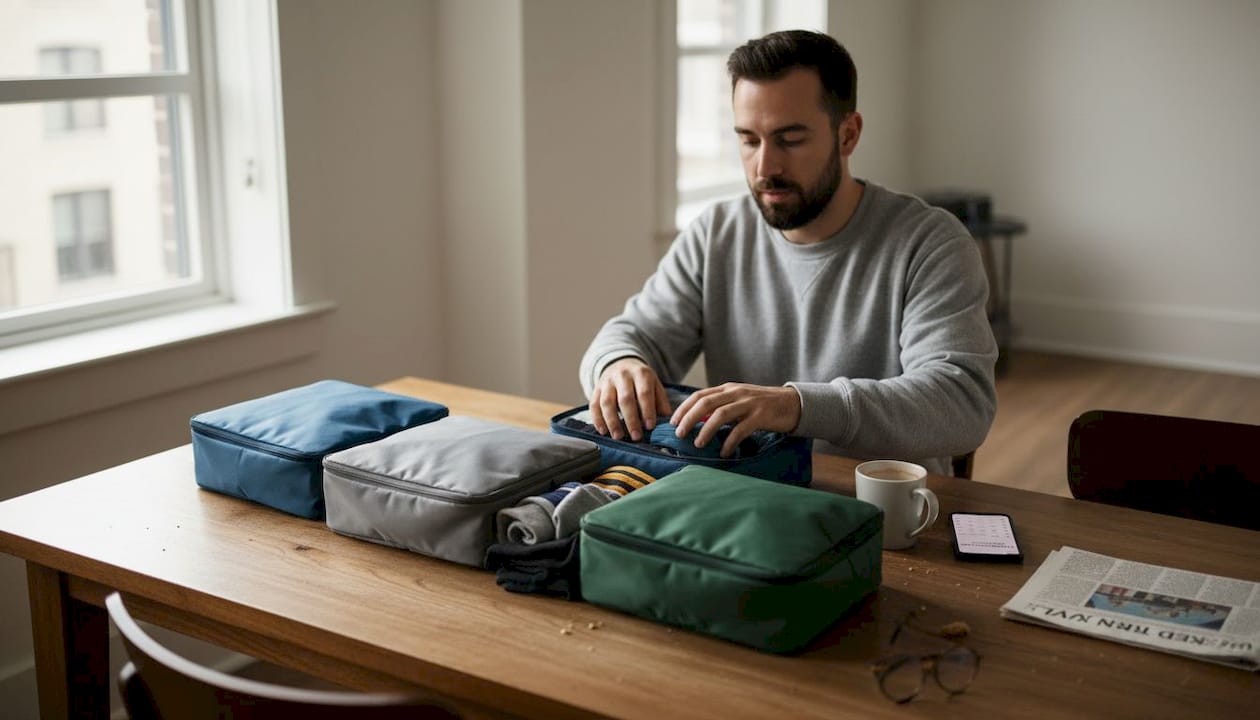
Packing cubes transform chaotic suitcases into organized compartments. These fabric containers compress clothing, separate clean from dirty items, and let you unpack quickly by transferring entire cubes to hotel drawers. By grouping similar items together, you eliminate the frantic search for socks or chargers at 6 AM.
Carry-on focus saves both time and money. Checking bags adds 30 minutes at departure, risk of loss, and fees ranging from $35 to $75 per bag. Building your packing list around carry-on dimensions forces intentional choices about what truly matters.
Establishing timed routines completes the criteria framework. Set a 20-minute timer and follow the same sequence each trip: lay out cubes, fill clothing cube first, add toiletries, insert electronics, final weight check. This routine becomes muscle memory, reducing decision fatigue and forgotten items. An online travel planner can help you coordinate packing with your itinerary activities.
Pro Tip: Create a master packing checklist on your phone and check items off as you pack. This visual confirmation prevents the nagging worry that you forgot something important.
Top packing list essentials for efficient leisure travel
With criteria established, focus on specific items that maximize utility while minimizing space. The right essentials make the difference between struggling with overpacked bags and breezing through airports with everything you need.
Merino wool layers deserve top priority for their temperature regulation and odor resistance. A single merino shirt can be worn three days without washing, unlike cotton that develops odors overnight. Pack two merino shirts, one pair of pants, and a lightweight jacket that compresses into a small pouch. These pieces handle temperature swings from air-conditioned restaurants to warm outdoor markets.
Chargers and cables rank as the most forgotten items at 7.6 per 1000 travelers, making them critical essentials. Pack a multi-port USB charger, phone cable, and any device-specific chargers in a dedicated electronics pouch. Add a portable battery pack for long exploration days when outlets are scarce.
Multi-purpose shoes reduce luggage bulk dramatically. Choose one pair that transitions from walking tours to casual dining. Lightweight sneakers with cushioned soles handle 10,000 daily steps while looking presentable at restaurants. Add flip-flops or sandals only if beach activities are planned.
Quick-dry clothing enables sink washing and overnight drying. Pack three pairs of quick-dry underwear and two pairs of moisture-wicking socks. These items wash in hotel sinks using travel soap, dry on towel racks overnight, and eliminate the need to pack seven days of undergarments for a week-long trip.
Packing cubes compress and organize efficiently. Use one cube for tops, another for bottoms, and a smaller cube for undergarments. Compression cubes squeeze air out, creating 30% more space than loose packing. The organizational benefit matters more than compression, as you can locate any item in seconds.
Reusable items reduce waste and weight. A collapsible water bottle weighs two ounces empty but saves buying plastic bottles daily. A reusable shopping bag folds into a pocket and handles market purchases or beach gear. These eco-friendly choices align with sustainable travel practices while adding minimal bulk. Check your travel essentials checklist before finalizing your packing.
Pro Tip: Roll clothes instead of folding them. Rolling creates fewer wrinkles, uses space more efficiently, and makes items visible at a glance when you open your cube.
Comparing packing options: modular cubes vs. fixed capsules
Two dominant packing philosophies serve different traveler needs: modular cube systems and fixed capsule wardrobes. Understanding the tradeoffs helps you choose the right approach for your travel style.
| Factor | Modular Cubes | Fixed Capsule (54321) |
|---|---|---|
| Flexibility | High - swap cubes for different trip types | Low - same items every trip |
| Packing Speed | Medium - requires cube selection | Fast - pre-determined items |
| Weight Control | Variable - depends on cube choices | Consistent - same weight range |
| Sustainability | Good - enables sink laundry rotation | Excellent - minimal items, frequent washing |
| Best For | Creators, varied activities | Repeat travelers, predictable trips |
Modular packing cubes offer adaptability for travelers with varied gear needs. Creators can swap casual and performance gear using different cube configurations, while sustainability benefits from sink laundry reduce environmental impact and bag weight. This system works well if your trips alternate between city exploration, beach relaxation, and outdoor adventures. Pack a hiking cube with moisture-wicking clothes, a city cube with dressier options, and swap based on your destination.
The 54321 capsule system provides predictability through a fixed formula: five tops, four bottoms, three shoes, two accessories, one hat. This method eliminates decision fatigue by using identical items for every trip. You know exactly what fits in your carry-on, how much everything weighs, and that all pieces coordinate. The system shines for business travelers or those visiting similar climates repeatedly.
Sustainability considerations favor both approaches when implemented thoughtfully. Modular systems reduce overall wardrobe size by using the same base cubes across trips. Capsule systems minimize laundry frequency through strategic item selection and sink washing. Both methods beat traditional overpacking that leads to unused clothes and wasted resources.
Packing speed varies by personality. Modular systems require 5 minutes to select appropriate cubes, then 15 minutes to fill gaps. Capsule systems take 10 minutes total since item selection is predetermined. If you value flexibility over speed, choose modular. If you prize consistency and rapid preparation, choose capsule. Explore different packing system options to find what matches your travel frequency and destinations. For additional sustainable packing strategies, review this eco-friendly packing guide.
Pro Tip: Hybrid approaches work too. Use a fixed capsule for clothing but modular cubes for electronics, toiletries, and activity-specific gear. This combines predictability where it matters most with flexibility for specialized needs.
Making the final packing decision for your trip
Applying criteria, essentials, and system comparisons to your specific travel needs requires a structured decision process. Follow these steps to customize your packing approach and execute efficiently.
First, assess your trip parameters. Write down trip length, planned activities, weather forecast, and luggage restrictions. A five-day beach vacation needs different essentials than a seven-day city exploration. Climate determines whether you need layers or lightweight breathable fabrics. Airline restrictions dictate whether your chosen system fits carry-on dimensions.
Second, choose between minimalist capsule and modular systems based on priorities. Pure minimalists thrive on constraints for deeper travel immersion, while others check bags for leisure volume, though time savings favor carry-on approaches. If this is your first trip to a destination and you are uncertain about needs, lean toward modular flexibility. If you have made this trip before and know exactly what works, commit to a capsule.
Third, integrate packing cubes regardless of system choice. Even minimalists benefit from organized compartments. Assign one cube per category: clothing, toiletries, electronics, miscellaneous. Label cubes if you travel frequently or share luggage space with family members.
Fourth, create a timed packing routine that becomes habitual. Set a timer for 20 minutes. Spend the first 5 minutes laying out all items on your bed. Spend the next 10 minutes filling cubes in priority order: documents and valuables first, clothing second, toiletries third, electronics last. Use the final 5 minutes for a weight check and final adjustments.
Fifth, always prefer carry-on to save time and money. Carry-on travel eliminates 30 minutes of baggage claim waiting, removes loss risk, and avoids $35 to $75 fees each direction. The constraint forces better packing decisions and faster airport navigation. If you must check bags for equipment or extended trips, still pack a carry-on with essentials for the first 24 hours in case checked bags are delayed.
Sixth, pre-pack sensitive items in designated compartments. Keep chargers, adapters, and cables in an electronics pouch that never gets unpacked between trips. Store travel-size toiletries in a clear TSA-compliant bag that stays ready. Maintain a passport holder with documents, cards, and copies. These permanent packing stations reduce preparation time and eliminate forgetfulness. Use travel planning tools to coordinate your packing with daily itinerary needs.
Pro Tip: Pack a complete outfit and essential toiletries in your personal item or day bag. If your carry-on gets gate-checked due to full overhead bins, you still have everything needed for the first day.
Plan your trips confidently with DestList
Efficient packing pairs naturally with smart trip planning to maximize your leisure travel experience. Once you have mastered the essentials and systems that save packing time, the next step is organizing your actual itinerary with the same efficiency mindset. DestList combines AI technology with human expertise to create personalized travel itineraries that match your packing approach. The platform handles flight and hotel matching, day-by-day activities, mapped routes, and walking time estimates, so you know exactly what to pack for each planned activity.

For busy leisure travelers who have streamlined packing to 20 minutes, DestList extends that time-saving philosophy to the entire planning process. The premium service delivers ready-to-book trips within 24 hours, eliminating hours of research and comparison. Features like weather alerts help you pack appropriate clothing, while curated itineraries ensure your versatile wardrobe handles all planned activities. Explore the online travel planner to see how integrated planning and packing create stress-free travel. The platform also offers packing list features and destination discovery that complement the frameworks covered in this guide, making it easy to apply these strategies to your next adventure with comprehensive travel planning tools.
FAQ
What are the absolute essentials I should pack for a short leisure trip?
Versatile clothing layers like merino wool shirts, quick-dry underwear, and multi-purpose shoes form your core essentials. Add chargers for all devices, travel documents, and travel-size toiletries in a TSA-compliant bag. Packing cubes and a quality carry-on bag optimize space and reduce the chance of forgetting important items.
How can I pack quickly without forgetting important items?
Use a digital packing checklist and follow the same routine each trip, such as the 54321 capsule system that pre-determines items. Keep chargers and small essentials in a dedicated electronics pouch that stays packed between trips. Packing cubes provide visual organization, making it obvious if a category is missing. Review your travel planning tools to align packing with planned activities.
Is it better to pack carry-on only or check bags for leisure travel?
Carry-on travel saves 30 minutes at baggage claim, avoids $35 to $75 fees per direction, and encourages intentional minimalism that simplifies decisions. Checked bags provide more volume for extended trips or specialized equipment but add complexity, delay risk, and costs. Time savings favor carry-on approaches, though some travelers prefer checked bags for leisure volume despite the tradeoffs.
How do packing cubes actually improve packing efficiency?
Packing cubes compress clothing by removing air pockets, creating up to 30% more usable space in your luggage. They organize items by category, letting you locate anything in seconds without unpacking everything. Cubes also enable modular packing where you can swap entire categories based on trip type, and they keep clean clothes separated from dirty items during your trip.
What is the 54321 packing method and who should use it?
The 54321 method is a fixed capsule system: five tops, four bottoms, three shoes, two accessories, one hat. This approach works best for repeat travelers visiting similar climates who value consistency and speed over flexibility. It eliminates decision fatigue by using the same coordinated items every trip, and the predictable formula ensures everything fits in a carry-on with known weight.