TL;DR:
- Truly unique travel combines local immersion, limited access, extraordinary settings, and rare activities.
- Planning 12-18 months in advance is essential for high-demand experiences like permits and festivals.
- Personalized curation and expert guidance create meaningful trips beyond generic destinations.
Finding a truly memorable trip feels harder every year. Mainstream platforms surface the same resort packages and group tours, leaving curious travelers scrolling endlessly without finding anything that excites them. The adventure travel market was valued at $366B in 2023, and demand for standout experiences is rising fast. This article cuts through the noise with a research-backed framework for identifying genuinely unique travel experiences, a curated shortlist of top picks for 2026, a side-by-side comparison, and practical booking advice so you can stop browsing and start planning.
Table of Contents
- How to identify truly unique travel experiences
- Unmissable curated travel experiences for 2026
- Comparison guide: Choosing your best-fit travel experience
- Expert recommendations and practical booking tips
- Our take: What most guides miss about truly unique travel
- Plan your truly unique experience with DestList
- Frequently asked questions
Key Takeaways
| Point | Details |
|---|---|
| Define uniqueness | A unique trip blends local immersion, exclusive access, and personal interests. |
| Curated options matter | Expert planning and curation increase your chances of amazing, one-of-a-kind adventures. |
| Book early for exclusivity | Plan high-demand trips over a year ahead to avoid missing out. |
| Personalization is key | Tailoring your travel makes even familiar places feel extraordinary. |
How to identify truly unique travel experiences
Not every experience labeled "unique" actually delivers on that promise. Tour operators use the word loosely, so you need your own filter before you commit money and vacation days to something that turns out to be a crowded bus tour with a fancy name.
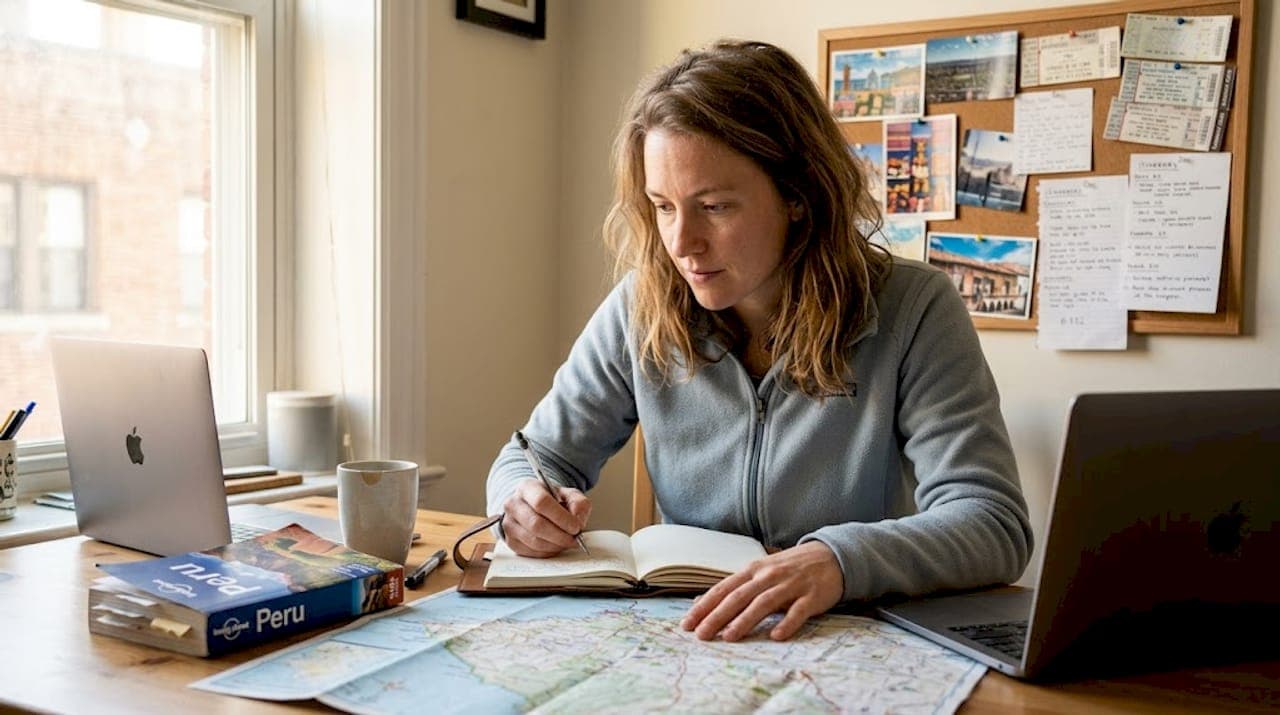
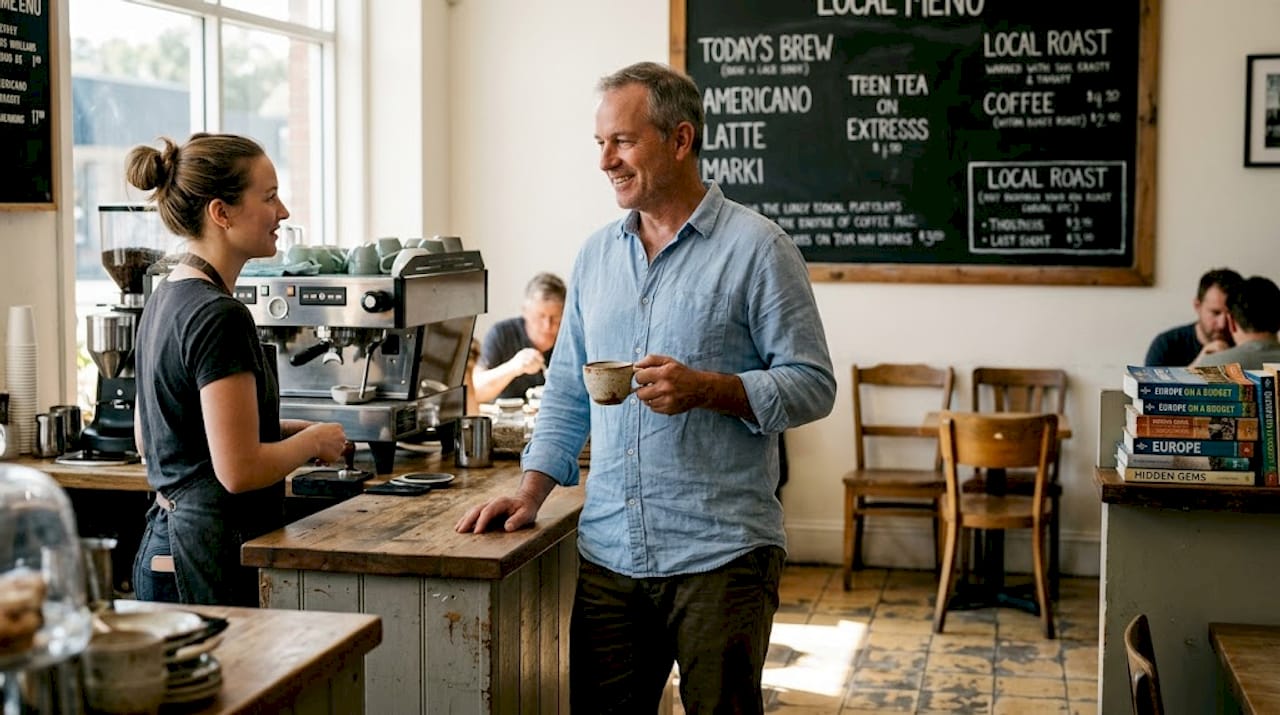
What actually makes a travel experience unique? Think along four dimensions. First, local immersion: are you interacting with residents, learning their craft, or eating at their table rather than a tourist restaurant? Second, limited access: is the experience capped by permits, season, or sheer geography? Third, extraordinary settings: is this a place most people will never reach because of distance, terrain, or cost? Fourth, rare activities: is this something you genuinely cannot replicate closer to home?
Personalization and expert curation consistently separate great trips from average ones. A pre-packaged group safari and a privately guided conservation trek to the same park feel like entirely different trips, because one is built around logistics and the other is built around you. Understanding travel curation criteria helps you spot the difference before you book.
Here is a quick checklist to evaluate any experience:
- Does it offer genuine contact with local culture, not a staged performance for tourists?
- Is availability capped (permits, group size limits, seasonal windows)?
- Can you customize the pace, focus, and activities?
- Does the provider have local guides with lived knowledge, not just scripted commentary?
- Are the logistics handled so you can focus on the experience itself?
Research backs the cultural angle strongly. A full 77% of travelers prioritize cultural immersion over adrenaline when choosing adventure travel. That means most people are not looking for the most extreme option. They want something meaningful, and personalizing your travel around your specific interests is the fastest path to that.
Pro Tip: The sweet spot for truly unique travel sits at the intersection of adventure, cultural depth, and controlled exclusivity. Dial up all three, and you have a trip worth talking about for years.
Unmissable curated travel experiences for 2026
Now that you know what to look for, here are the experiences leading adventurers and curators recommend for 2026. Each one scores high on the uniqueness checklist above.
"For the most coveted spots, book high-demand trips like Everest permits or the Oberammergau Passion Play one or more years ahead."
- Small-ship Arctic expedition (Svalbard, Norway). Polar bear sightings, midnight sun, and glacier landings accessible only by ice-class vessels. Ideal for nature lovers and wildlife photographers. Groups rarely exceed 12 passengers.
- Private culinary journey through Emilia-Romagna, Italy. Home kitchens, market visits, and winemaker dinners in the region that gave the world Parmigiano-Reggiano and Prosciutto di Parma. Perfect for food-focused travelers who want zero tourist theater.
- Mountain gorilla trekking in Uganda or Rwanda. Permits are capped at eight people per gorilla family per day. Emotional, intimate, and genuinely irreplaceable. Book your permit the moment you set a travel date.
- Japan's Awa Odori or Gion Matsuri festival season. Both festivals draw massive local participation but reward travelers who embed themselves in neighborhood celebrations rather than watching from barriers. Timing and local guidance matter enormously here.
- Oman Empty Quarter desert crossing. Endless red dunes, Bedouin camps, and navigation by stars. A physically demanding route with almost zero tourist infrastructure, which is exactly the point.
- Traditional reindeer herding in Finnish Lapland. Travel with Sámi herders during migration season. This is living heritage, not a theme park, and availability is extremely limited.
- Oberammergau Passion Play, Bavaria. Staged only once per decade, the next cycle runs through 2030. Secure tickets early through an authorized tour operator.
You can browse unique tour ideas or build one of these into a set of custom itineraries that match your exact travel window and preferences. For regional inspiration, explore destination curation to discover which area fits your style best.
Pro Tip: For any experience tied to permits, festivals, or single-decade events, start planning at least 12 to 18 months out. The travelers who miss out almost always underestimated lead time.
Comparison guide: Choosing your best-fit travel experience
With these options in hand, it's time to compare them head-to-head and find your best fit. The table below scores each experience across five criteria that matter most to discerning travelers.
| Experience | Immersion | Accessibility | Best season | Est. cost (USD) | Lead time |
|---|---|---|---|---|---|
| Arctic expedition | High | Moderate | June to Aug | $8,000+ | 9 to 12 months |
| Italy culinary journey | Very high | Easy | April to Oct | $4,000 to $7,000 | 3 to 6 months |
| Gorilla trekking | Very high | Moderate | June to Sept | $3,500 to $6,000 | 12+ months |
| Oman desert crossing | High | Challenging | Oct to March | $2,500 to $5,000 | 3 to 6 months |
| Lapland reindeer herding | Very high | Moderate | Oct to Nov | $3,000 to $5,500 | 12+ months |
| Oberammergau Play | High | Easy | May to Oct 2030 | $2,000 to $4,500 | 18+ months |
Demographics shape what "best fit" actually means. Women represent 51% of adventure travelers, and Gen Z spends 30% more than other traveler groups on these kinds of experiences, so the market is both more diverse and more financially committed than most people assume.
Browsing adventure destinations by region helps narrow choices quickly. And if time is the real constraint, learning how saving time with customization works in practice makes the whole planning phase much less stressful.
To identify your top priorities, ask yourself:
- Do I want physical challenge or cultural depth, or both?
- Am I traveling solo, as a couple, or with family?
- Is budget or timing the binding constraint?
- Do I want a short, intense experience or a slow, immersive one?
- How much logistical support do I actually need on the ground?
Your honest answers will point you toward two or three options from the table above, making the final choice straightforward.
Expert recommendations and practical booking tips
Once you've chosen your experience, practical steps can make all the difference to a seamless and memorable journey. The adventure travel market is set to nearly triple to $1.16T globally, which means demand for the best experiences will only intensify. Start planning now rather than assuming spots will be available later.
Here is a numbered sequence of booking strategies that experienced curators recommend:
- Lock in permits and tickets first. For gorilla trekking, Arctic expeditions, and major festivals, secure the hard-to-get piece before booking flights or hotels. Everything else adjusts around it.
- Use a flexible booking window. If your top dates are sold out, a shift of even five to seven days can open availability. Stay open to shoulder-season travel, which often delivers better pricing and smaller crowds.
- Put a deposit down early. Many premium operators hold spots with a deposit and allow final payment closer to travel. This protects your place without locking all your funds.
- Work with a specialist curator. Local networks unlock access that no booking platform can match. A knowledgeable planner knows which Sámi family accepts guests, which Emilia-Romagna chef takes private groups, and how to navigate permit systems smoothly.
- Read cancellation and rebooking policies carefully. Unique experiences often have stricter terms than standard hotel stays. Understand your exposure before you pay.
- Budget for the premium. Top experiences carry price premiums. That is not price gouging. It is the cost of low group sizes, expert guides, and rare access. Factor it in honestly from the start.
Pro Tip: Working with expert travel planning services removes the coordination burden and gives you access to vetted local partners. For complex, multi-leg trips, that saves hours of research and significantly reduces the chance of a costly mistake.
For additional strategies on structuring your booking timeline, custom itineraries and edge case booking tips offer practical guidance for high-demand scenarios.
Our take: What most guides miss about truly unique travel
Most travel articles write long lists of destinations and call it done. The underlying assumption is that uniqueness lives in a place. It doesn't. It lives in how a trip is built around you.
We've seen travelers visit Iceland and come back underwhelmed because they followed a generic ring-road itinerary. We've also seen travelers go to rural Portugal, a destination no one talks about, and return transformed. The difference was curation. One trip was assembled from a template; the other was built around a specific person's curiosity, pace, and appetite for local connection.
Chasing the next trending hotspot is a losing game. By the time an experience goes viral, the conditions that made it special are usually diluted. The smarter play is curating cultural trips around who you are as a traveler, not just where you want to go. Local connections, private access, and a thoughtfully sequenced itinerary consistently outperform any destination on its own.
Plan your truly unique experience with DestList
Ready to move from inspiration to action? DestList combines AI-powered planning with real human expertise to turn your travel preferences into a detailed, ready-to-book itinerary in under 24 hours.
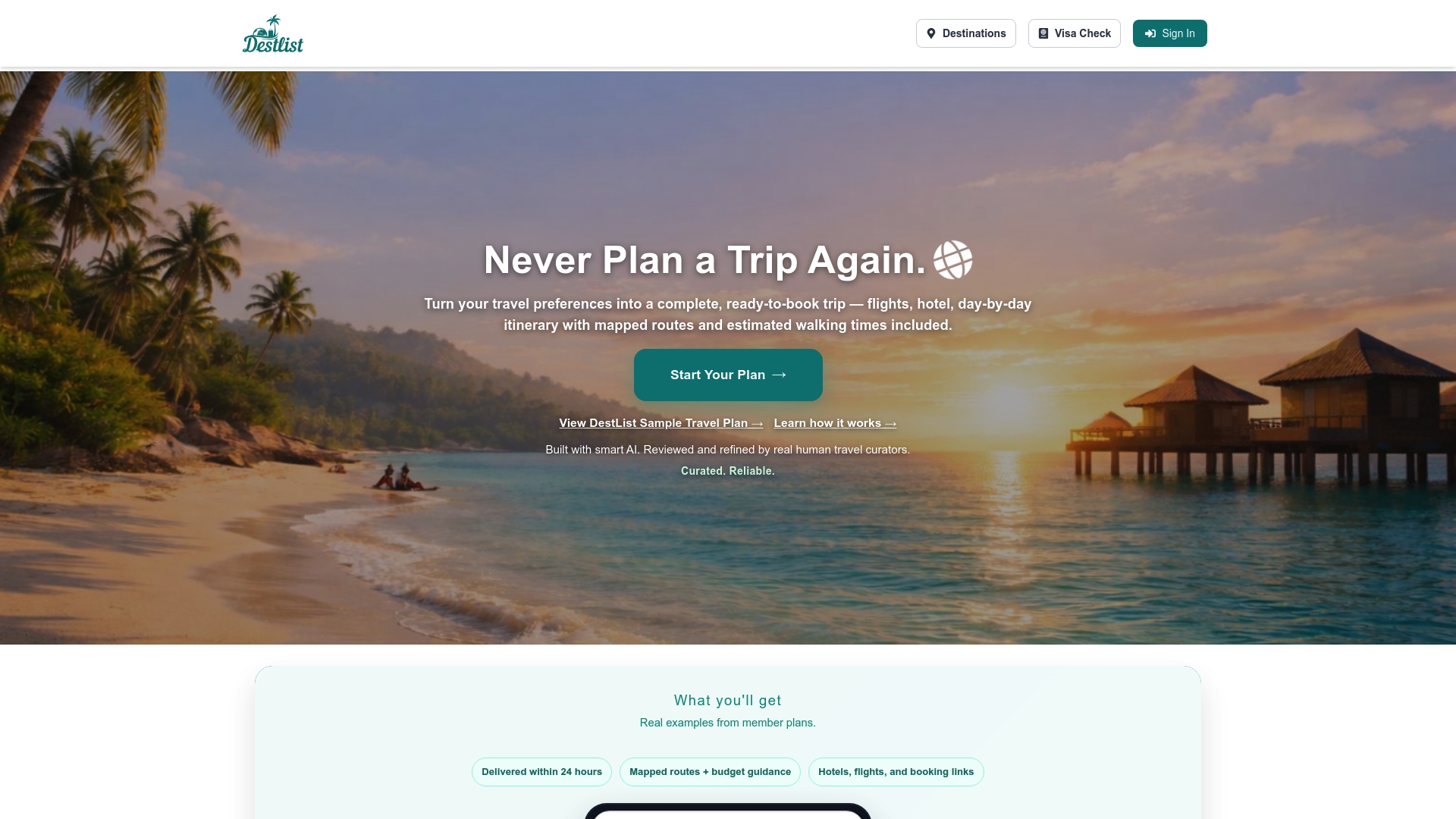
Whether you want a fully customized custom travel itinerary built around your exact dates, budget, and style, or prefer to hand everything off through done-for-you travel planning, DestList handles the hard parts so you can focus on looking forward to the trip. From permit logistics to curated day-by-day routes, every detail is managed with care. Your next genuinely unique adventure is closer than you think.
Frequently asked questions
How can I ensure a travel experience is truly unique to me?
Look for trips that combine local immersion, limited-access opportunities, and a personalized itinerary built around your interests, since 77% of travelers prioritize cultural immersion over pure adrenaline.
When should I book high-demand unique travel experiences?
For coveted trips like gorilla trekking permits or the Oberammergau Play, plan to book high-demand trips at least 12 to 18 months ahead to secure the best availability.
Is adventure travel only for adrenaline seekers?
Not at all. Because 77% of adventure travelers prefer cultural immersion over pure thrills, unique trips are well-suited to travelers of all comfort levels, from seasoned hikers to curious first-timers.
How can a curated travel planner help with unique experiences?
A curated planner provides local insider access, handles complex logistics, and builds a custom schedule that most solo researchers simply cannot replicate on their own.