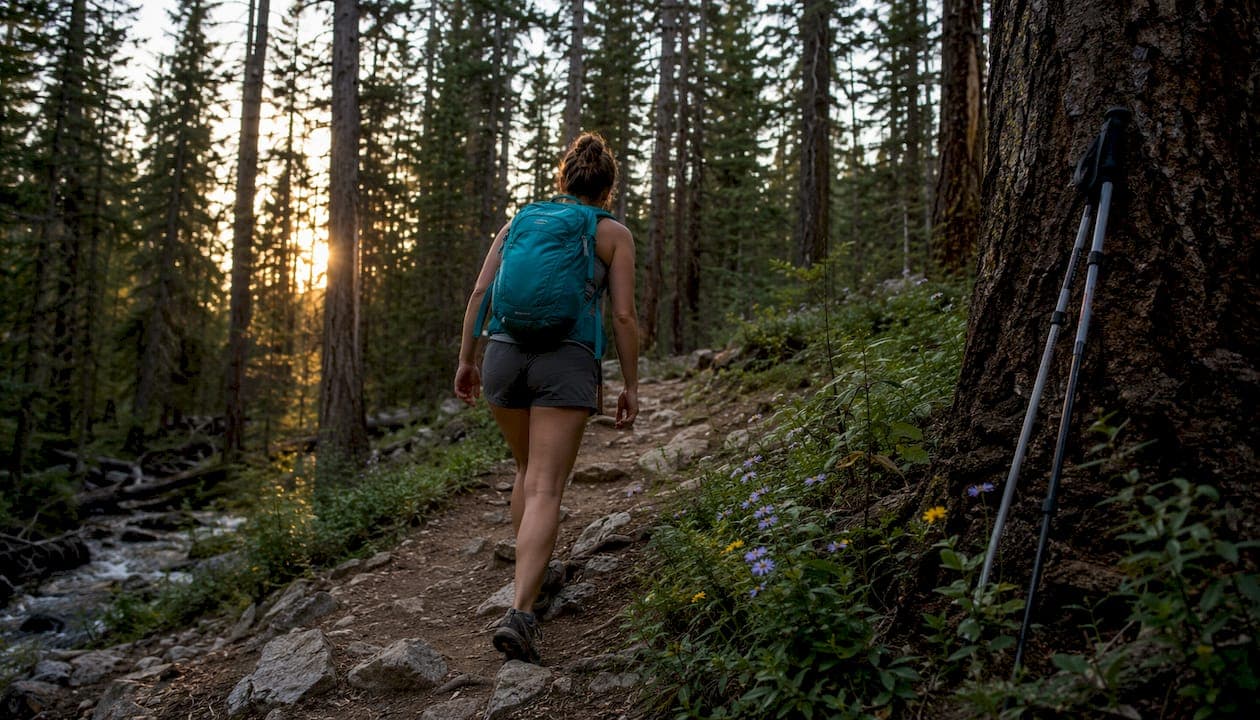
For any unusual destination, the universal rule is this: pack for confirmed conditions, not imagined ones, and build every kit around versatile layering, modular organization, and separated emergency reserves.
Your 8 must-pack items for uncommon destinations:
- Lightweight quick-dry base layer + packable rain shell
- Compact water treatment (filter or iodine tablets)
- Waterproof dry bag with zip-lock inner sleeve
- Headlamp with extra batteries
- Basic trauma first-aid kit with oral rehydration salts
- Universal power adapter + 20,000mAh power bank
- Packing cubes (color-coded) + sealable clear pouches
- Copies of all documents (digital + physical)
Three core packing rules:
- Versatile layers over single-use items. One packable rain shell outperforms three "just in case" sweaters every time.
- Modular organization. Color-coded cubes and sealed pouches keep dust, moisture, and sand from ruining everything at once.
- Emergency separation. Keep a backup power bank and sealed emergency water untouched until you genuinely need them.
Pro Tip: Before you zip the bag, take the 20-minute test: load everything and walk outside on real terrain. If your hips or shoulders ache within 20 minutes, the bag is too heavy or badly adjusted. Fix it at home, not at the trailhead.
Table of Contents
- How to tailor your packing list for any destination type
- Unusual items most packing lists forget
- Organization systems that make packing for extremes manageable
- Health, medication, and safety essentials you can't skip
- Electronics and power solutions that work off-grid
- Footwear and activity-specific gear: own the right two pairs
- Printable packing checklist templates you can use right now
- When to buy gear and what it actually costs
- How experts build a destination-specific packing list
- Key Takeaways
- What seasoned planners actually pack
- Destlist builds your packing list so you don't have to
- Useful sources and where to check last-minute destination rules
How to tailor your packing list for any destination type
The tailoring decision comes down to three variables: climate, infrastructure, and confirmed activities. Get those three right and the list almost writes itself.
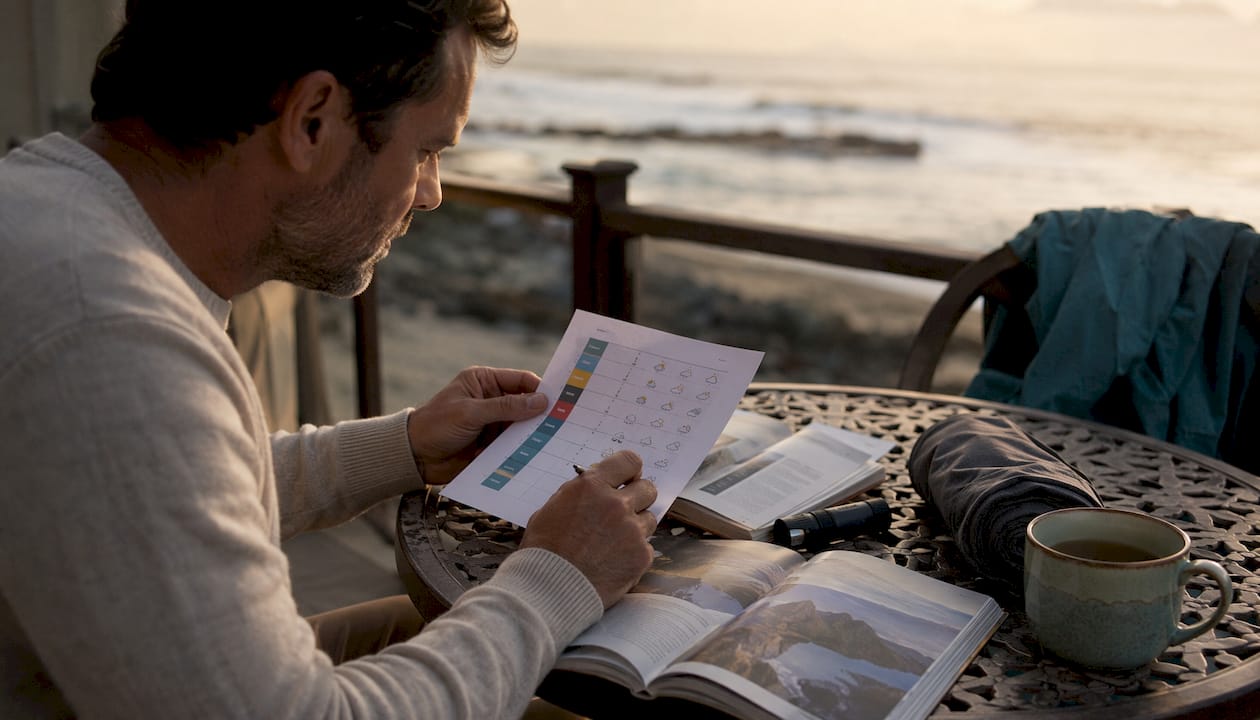
Start by asking what you know for certain: Will there be electricity? Running water? A pharmacy within a day's travel? Your answers determine whether you pack a small toiletry kit or a full hygiene reserve. Then layer in climate. A jungle trek and a desert crossing both demand sun protection and hydration gear, but the jungle adds insect defense and moisture management while the desert demands heat regulation and dust protection.
| Destination Type | Clothing | Water Plan | Footwear | Shelter Add-on | Insect Protection | Power |
|---|---|---|---|---|---|---|
| Desert | Loose long-sleeve UPF layers, sun hat | 3L+ capacity + purification tabs | Closed-toe trail runners | Ultralight tarp | Low priority | Solar panel |
| Arctic/Antarctic | Merino base + fleece mid + waterproof shell | Insulated bottle, snow-melt option | Insulated waterproof boots | Emergency bivvy | Low priority | High-capacity power bank |
| Jungle/Rainforest | Moisture-wicking long sleeves, quick-dry pants | Filter + purification backup | Waterproof trail shoes | Hammock or tarp | DEET 30%+ or picaridin | Power bank + solar |
| High Altitude | Thermal base + insulating mid + windproof shell | 2L+ + altitude hydration awareness | Stiff-sole hiking boots + gaiters | Emergency space blanket | Low priority | Power bank |
| Tropical Island | Lightweight breathable tops, swimwear, cover-up | Sealed bottles + purification tabs | Reef sandals + water shoes | Wet bag | DEET or picaridin | Power bank |
| Remote Village | Modest, versatile layers for cultural norms | Filter + backup tabs | Comfortable walking shoes | None typically | Varies by region | Power bank |
| Cultural Sites | Modest clothing, scarf/wrap, comfortable flats | Standard bottle | Slip-on walking shoes | None | Low priority | Standard adapter |
Duration and season adjustments: For trips under a week, the 3-2-1 clothing system works well in hot, humid regions: 3 bottoms, 2 tops, 1 layer. Plan for laundry every 3–4 days on longer trips rather than packing more clothes. Add one extra base layer per additional week in cold environments where laundry is infrequent or expensive.
Pro Tip: Test your full kit on a short day trip or a 30-minute walk around the block with the bag fully loaded. Gear that feels fine in your living room often reveals problems the moment you're carrying it on uneven ground.
Unusual items most packing lists forget
Prioritize items that solve more than one problem. A travel clothesline doubles as gear-drying line and emergency cordage. Silica gel packets protect electronics and leather goods simultaneously.
- Zip-seal silica gel packets (5–10 small ones): slip into camera bags, shoe pockets, and electronics pouches in humid or coastal environments
- Compact water-treatment drops or tablets: backup to your filter when the filter clogs or breaks; iodine tablets weigh almost nothing
- Small repair kit: duct tape, zip ties, needle and thread, a multi-tool, and spare cordage; minor gear failures derail remote trips more often than weather
- Lightweight tarp (ultralight silnylon, under 1 lb): emergency shelter, ground cover, rain cover for bags
- Travel clothesline (elastic, no-peg): works in any doorframe or between trees; cuts clothing volume by a third on longer trips
- Ear-drying drops: essential for island and water-based trips where swimmer's ear is a real risk
- Local-currency cash envelope: sealed, separate from your wallet; for emergencies when cards fail or ATMs are unavailable
- Laundry soap strips: flat, weightless, TSA-compliant, and far more useful than a liquid detergent bottle
Remote island homestays often lack daily necessities including reliable electricity, pharmacies, so wet wipes, strong insect repellent, and detergent belong on every island-specific list.
Three highest-ROI unusual items: A repair kit (duct tape, zip ties, multi-tool) prevents a broken strap or torn rain shell from ending a trip. Laundry soap strips cut your clothing volume by letting you wash every 2–3 days without bulk. A local-currency cash envelope has saved more travelers from stranded situations than any single piece of gear.
Organization systems that make packing for extremes manageable
Modular organization — color-coded cubes, sealed clear pouches, and waterproof dry bags — is the single highest-leverage packing habit for remote or extreme travel. It protects gear, speeds access in low light, and makes repacking in cramped or dirty conditions genuinely fast.
A practical packing workflow:
- Pre-trip staging (3–5 days before): Lay everything on a flat surface by category. Weigh the total. Cut anything that doesn't serve a confirmed need.
- Day-before packing: Load cubes by category (clothing, electronics, medical, toiletries). Place heaviest items closest to your back.
- In-trip maintenance: Repack by category each morning. Wet or dirty items go immediately into a sealed pouch or dry bag, never loose in the main compartment.
For electronics and critical supplies, use a three-layer protection system: device in a sealed zip-lock bag first, then into a waterproof dry bag, then into the outer bag's most protected pocket. This prevents mildew, salt spray, and dust damage when moving between humid and wet environments.
| Cube/Pouch Color | Contents | Protection Level |
|---|---|---|
| Blue | Clothing (base layers, tops) | Standard cube |
| Red | Medical + emergency supplies | Sealed clear pouch |
| Yellow | Electronics + cables | Zip-lock + dry bag |
| Green | Toiletries + hygiene | Waterproof pouch |
| Clear | Documents + cash | Waterproof zip pouch |

Pro Tip: Label each cube or pouch with a small luggage tag or colored tape on the zipper pull. In a dark tent or cramped boat cabin, you'll find what you need in seconds instead of emptying the whole bag.
Health, medication, and safety essentials you can't skip
Bring what you need and organize it so the emergency supplies stay sealed until you actually need them. That single habit preserves your reserves when it matters most.
Medical and safety checklist:
- Prescription medications (original labeled bottles, 10-day extra supply)
- Ibuprofen, acetaminophen, antihistamines, anti-diarrheal (Imodium)
- Oral rehydration salts (at least 6 packets)
- Blister kit: moleskin, medical tape, antibiotic ointment, assorted bandages
- Gauze (4×4), trauma shears, nitrile gloves
- Insect repellent: DEET 30%+ or picaridin for jungle and tropical destinations
- Water treatment: filter + iodine tablets as backup
- Sunscreen SPF 50+ and SPF lip balm
- Vaccination records (consult your provider 4–6 weeks before travel)
- Emergency reserves: sealed backup power bank and water purification tablets stored separately from daily supplies
Documentation checklist:
- Passport + visa copies (digital in cloud storage + one physical copy in a separate bag)
- Travel insurance card and evacuation coverage details
- Local emergency numbers and nearest hospital address (printed)
- Prescription labels photographed and saved offline
The Appalachian Mountain Club recommends carrying a full day's worth of extra food and water treatment tools on any backcountry outing, because emergencies rarely announce themselves.
Pro Tip: Pack two separate medical pouches: one for daily use (pain relievers, bandages, lip balm) and one sealed "emergency only" pouch (trauma items, ORS, backup meds). Never raid the emergency pouch for routine needs.
Electronics and power solutions that work off-grid
Power is mission-critical on remote trips. Design a three-tier plan: primary charging (wall adapter + cables at accommodation), transportable reserve (power bank for daily use), and emergency reserve (a second sealed power bank, untouched until primary fails).
Capacity guidelines:
- Power bank for daily use: 20,000mAh handles two full phone charges plus a camera charge
- Emergency reserve power bank: 10,000mAh minimum, stored sealed and separate
- Solar panel: useful for trips longer than 5 days in open terrain (desert, high altitude); less effective in jungle canopy
- Device batteries: carry one spare for cameras and GPS devices; cold temperatures drain lithium batteries faster than expected
| Destination | Recommended Power Setup | Connectivity Option |
|---|---|---|
| Desert/High Altitude | 20,000mAh bank + foldable solar panel | eSIM + offline maps |
| Jungle/Rainforest | 20,000mAh bank (solar less effective) | eSIM + satellite messenger |
| Remote Island | 20,000mAh bank + 10,000mAh emergency reserve | eSIM or local SIM |
| Cultural Sites/Villages | Standard 10,000mAh bank | eSIM or local SIM |
| Arctic Expedition | High-capacity insulated bank + spare batteries | Satellite messenger |
For connectivity, an eSIM activated before departure means your phone works the moment you land. For destinations where help is more than a day away, a satellite messenger (such as a Garmin inReach) is worth the weight. Download offline maps via Google Maps or Maps.me before you leave cellular range.
Pro Tip: Keep your emergency power bank in an external pocket of your bag, clearly labeled. When your primary bank dies at 2 AM in a remote guesthouse, you don't want to unpack everything to find it.
For electronics protection, always use the double-layer method: zip-lock bag first, then dry bag. A universal adapter with surge protection covers most voltage ranges (100–240V) across regions.
Footwear and activity-specific gear: own the right two pairs
One or two pairs of footwear cover almost every uncommon destination. The mistake most travelers make is packing three pairs and wearing two of them once.
Priority footwear by terrain:
- Trail runners + strap sandals: covers 80% of destinations from jungle paths to village streets
- Insulated waterproof boots + wool socks: non-negotiable for arctic and high-altitude snow terrain
- Water shoes or reef-safe sandals: rocky island shorelines, snorkeling entries, boat docks
- Slip-on walking shoes: cultural sites, temples, markets where you remove footwear frequently
Activity-specific gear worth owning:
- Crampons and gaiters for glacier or snow travel (rent locally only if the rental shop is vetted)
- Trekking poles for high-altitude or uneven terrain (collapsible, fits in checked luggage)
- A soft-sided 35–45L pack or duffel-backpack hybrid for remote transfers involving roof racks, boats, or narrow paths
Rent vs. buy:
- Own it when the item is medical (custom orthotics, prescription goggles), when rental quality is unreliable, or when the item must fit precisely (crampons, technical harnesses).
- Rent locally for bulky items you'll use for 2–3 days: kayaks, snowshoes, snorkel sets at established dive shops.
Fit-testing checklist before departure:
- Walk in new trail shoes for at least 3 full days before the trip
- Test waterproof boots with the same sock weight you'll wear on the trip
- Confirm trekking poles collapse to fit your bag's external straps
For durable gear that will perform across multiple trips, prioritize weather-ready construction over brand prestige. A mid-range boot that fits perfectly outperforms an expensive one that doesn't.
Printable packing checklist templates you can use right now
Use three template sizes depending on your trip length and remoteness. A one-page essentials list covers trips up to 7 days to semi-accessible destinations. A two-page adventure kit works for 7–21 day trips to remote or extreme environments. A master list covers long-term or multi-destination remote travel.
One-page essentials (copy or screenshot):
- Quick-dry base layer (2) + packable rain shell
- Bottoms (3) + tops (2) + 1 insulating layer
- Underwear (5–7) + socks (5–7 pairs)
- Trail runners + sandals or water shoes
- Headlamp + extra batteries
- Power bank (20,000mAh) + universal adapter + cables
- Water filter or purification tablets
- First-aid kit (trauma items + ORS + blister kit)
- Insect repellent (DEET 30%+ for jungle/tropical)
- Sunscreen SPF 50+ + SPF lip balm
- Packing cubes (3–4) + dry bag + clear document pouch
- Passport + copies + travel insurance card
- Local-currency cash envelope
- Repair kit (duct tape, zip ties, multi-tool)
- Laundry soap strips + travel clothesline
Customizing by duration and season: Add one base layer per additional week in cold climates. For wet-season tropical travel, add a second dry bag and a packable umbrella. For cultural-site-heavy itineraries, add a lightweight scarf or wrap and one modest "smart-casual" outfit.
Destlist's packing list tool generates destination-specific checklists based on your confirmed activities and travel dates, which saves the customization step entirely.
When to buy gear and what it actually costs
Buy high-durability, high-impact items 4–6 weeks before travel. That window gives you time to test, return, and replace without paying airport-shop prices.
| Timeline | Action |
|---|---|
| 6–8 weeks before | Research and purchase footwear, rain shell, dry bags, power bank |
| 4 weeks before | Test all gear on a day trip; break in shoes; check adapter compatibility |
| 2 weeks before | Finalize medical kit, replenish medications, print document copies |
| 3–5 days before | Charge all devices, run the 20-minute test, check TSA 3-1-1 liquids rule |
| At the airport | Confirm carry-on weight; move heaviest items to personal item if needed |
Rough cost ranges for high-impact items:
- Dry bag (medium capacity range): reasonably priced options are widely available
- Power bank (adequate capacity): affordable options from popular brands
- Quality packable rain shell: expect to invest in a durable option
- Trail runners: prioritize fit over brand or price
Where to rent instead of buy: Snorkel gear at established dive shops, snowshoes at mountain resorts, and kayaks at coastal outfitters are reliably rentable. Avoid renting helmets, harnesses, or any safety-critical item unless the shop is certified and inspects gear regularly. Check local activity guidelines before assuming rental is available at your specific destination.
For seasonal trip planning that accounts for gear timing and weather windows, building your purchase timeline around your confirmed departure date prevents the last-minute scramble.
How experts build a destination-specific packing list
The expert method is five steps: research climate and infrastructure, list confirmed activities, apply layering and weight rules, run the 20-minute test, then finalize emergency reserves.
- Research climate and infrastructure. Check weather forecasts for your exact travel dates, not just the season average. Confirm whether electricity, pharmacies, and clean water are reliably available.
- List confirmed activities. Write down only what you have booked or firmly planned. Every item on your list should serve at least one confirmed activity.
- Apply layering and weight rules. Use the destination matrix above to select clothing layers. Weigh your packed bag; if it exceeds 20% of your body weight, cut items.
- Run the 20-minute test. Pack everything and walk outside for 20 minutes on variable terrain. Adjust fit and weight before departure.
- Finalize emergency reserves. Seal your backup power bank, emergency water treatment, and a 10-day medication supply. Store them in an accessible external pocket.
Short case example — remote island homestay (Raja Ampat style): A baseline tropical packing list gets modified as follows: add a 20,000mAh power bank (electricity windows are limited), add wet wipes and extra insect repellent (no pharmacy nearby), swap cotton tops for moisture-wicking fabrics, add laundry soap strips (no laundry service), and seal all electronics in zip-lock bags inside a dry bag. The result is a 35L soft pack that handles boat transfers, humidity, and a 5-day electricity gap without a single critical failure.
Destlist's custom itinerary service includes destination-specific packing lists reviewed by human travel curators, so the research and tailoring steps are done for you before you start shopping.
Key Takeaways
A destination-specific packing list built on confirmed conditions, layered clothing, modular organization, and separated emergency reserves is the most reliable preparation for any uncommon trip.
| Point | Details |
|---|---|
| Pack for confirmed needs | Replace "what if" items with gear that serves every confirmed activity and climate condition. |
| Use the 3-2-1 clothing rule | Three bottoms, two tops, one layer covers most tropical and temperate trips up to a week. |
| Separate emergency reserves | Keep a sealed backup power bank and emergency water treatment untouched until truly needed. |
| Run the 20-minute test | Walk fully loaded for 20 minutes before departure to catch fit and weight problems at home. |
| Use Destlist for tailored lists | Destlist's curated packing tool generates destination-specific checklists so you skip the research step entirely. |
What seasoned planners actually pack
The conventional wisdom says pack light. That's right, but incomplete. The more useful principle is pack modularly: every item in its own sealed category, every emergency reserve untouched until it's genuinely needed. That discipline matters more than the total weight.
Three items that consistently earn their place on unusual trips:
- A compact repair kit (duct tape, zip ties, multi-tool): it has saved more trips than any single clothing item
- Laundry soap strips: weightless, TSA-compliant, and they cut clothing volume by a third
- A sealed local-currency cash envelope: cards fail, ATMs disappear, and a $50 equivalent in local bills has gotten travelers out of genuinely difficult situations
The unique travel experiences that stay with you longest are usually the ones where something went slightly sideways and you were prepared. Not over-prepared. Just ready for the one thing that actually happened.
Destlist builds your packing list so you don't have to
Destlist delivers ready-to-book trip plans with destination-specific packing lists reviewed by human travel curators, matched to your confirmed activities, travel dates, and climate conditions.
Three reasons travelers use it before an unusual trip:
- Time saved: the research, tailoring, and checklist customization steps are done for you
- Destination accuracy: lists are built around your specific destination and season, not a generic template
- Tested checklists: every list reflects real-trip conditions, not theoretical packing advice
Destlist is a paid service. Plans are available monthly, annually, or as a one-time trip purchase. For travelers heading somewhere genuinely uncommon, a done-for-you trip plan that includes a curated packing list is the fastest way to arrive prepared.
Useful sources and where to check last-minute destination rules
Before finalizing any packing list for an unusual destination, check weather forecasts for your exact travel dates, local health advisories, customs regulations, and electricity standards. Rules change seasonally, and a permit or protected-area restriction that didn't exist last year may apply to your trip.
- TSA 3-1-1 liquids rule: Confirm carry-on liquid limits before packing toiletries; 3.4 oz (100ml) per container, all in one quart-sized bag.
- Appalachian Mountain Club — 10 Essentials: Authoritative backcountry checklist covering navigation, shelter, first aid, and repair; useful for any remote land-based trip.
- CDC Travelers' Health (cdc.gov/travel): Vaccination recommendations, disease outbreak alerts, and destination-specific health advisories updated regularly.
- US Department of State Travel Advisories (travel.state.gov): Entry requirements, safety levels, and emergency contact information by country.
- World Plugs (IEC — iec.ch/worldplugs): Confirms plug type and voltage for every country so you buy the right adapter before departure.
- Windy.com or weather.gov: Detailed wind, precipitation, and temperature forecasts for remote areas where standard weather apps lack resolution.
- Google Maps offline / Maps.me: Download offline maps for your destination region before leaving cellular range.
This article is general travel information, not professional medical, legal, or safety advice. Confirm current entry requirements, health advisories, and local regulations with official sources or a qualified professional before your trip.