TL;DR:
- Most travelers can simplify planning by choosing from seven clear travel styles. Personal preferences such as activity level, budget, and trip duration help determine the best type. Combining multiple styles creates richer, more memorable travel experiences.
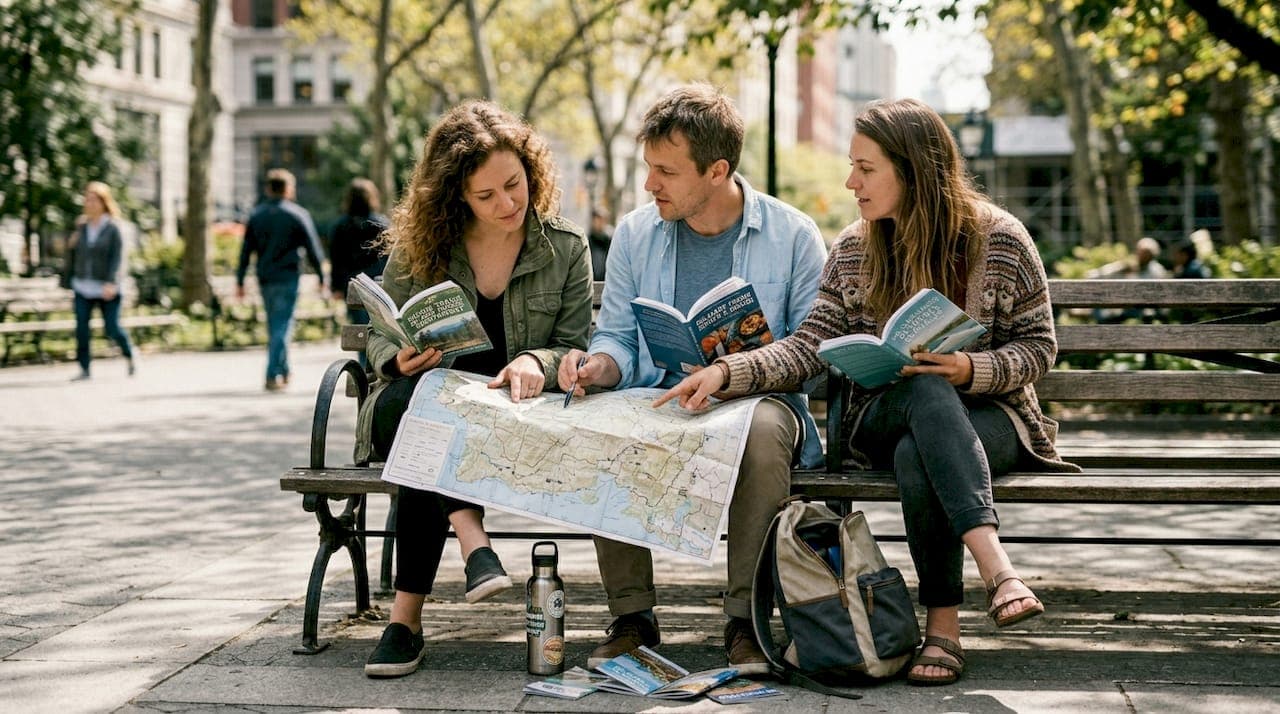
Planning a trip should feel exciting, not exhausting. Yet most travelers spend hours scrolling through endless destination guides, comparison sites, and social feeds, only to end up more confused than when they started. The good news: travel experiences actually fall into clear, recognizable categories, and once you know which type fits your personality and goals, the whole process gets a lot simpler. This guide walks you through seven distinct travel styles, from adventure and wellness to cultural immersion and digital nomad trips, with practical criteria and side-by-side comparisons to help you stop second-guessing and start booking.
Table of Contents
- How to choose your ideal travel experience
- Adventure travel: For the thrill-seeker
- Wellness, luxury, and relaxation experiences
- Cultural, culinary, and immersive travel
- Nature escapes and the digital nomad trend
- Quick comparison: Types of travel experiences at a glance
- Why mixing travel types leads to the richest experiences
- Ready to create your perfect trip?
- Frequently asked questions
Key Takeaways
| Point | Details |
|---|---|
| Personalization is key | Travelers get the best experiences when trips match their interests and lifestyle. |
| Seven distinct styles | Adventure, wellness, luxury, cultural, culinary, nature, and digital nomad trips offer something for everyone. |
| Mixing styles works | Blending different travel types in one trip creates richer, more memorable journeys. |
| Technology enhances planning | AI and curated services make it easier to tailor your travel to unique preferences. |
How to choose your ideal travel experience
Before you browse destinations, it helps to know what you actually want from a trip. Not just "somewhere warm" or "something different," but a real sense of what will leave you feeling recharged, inspired, or accomplished when you get home.
Start with these core decision criteria:
- Activity level: Do you want to push your limits physically, or recover from a packed work schedule?
- Budget: Are you optimizing for value, or is this a splurge trip?
- Trip length: A long weekend calls for a different experience than three weeks abroad.
- Solo vs. group: Some travel styles shine when shared; others are better explored alone.
- Guided vs. independent: Do you want every detail handled, or do you prefer to figure things out as you go?
- Personalization: How specific are your interests? Niche passions often point to niche travel styles.
Travelers prioritize personalization, wellness, and sustainability in 2026, which means the industry has responded with more tailored options than ever. AI in travel planning is now making it possible to generate detailed, preference-matched itineraries in a fraction of the time it used to take. If you want to get familiar with the vocabulary shaping modern trips, brushing up on travel industry terms is a smart starting point.
The seven main travel types covered in this guide are: adventure, wellness, luxury, cultural, culinary, nature escapes, and digital nomad travel.
Pro Tip: Match your travel style to your current life phase. Burned out from a demanding quarter at work? Wellness or nature escapes will restore you faster than an action-packed adventure itinerary.
Adventure travel: For the thrill-seeker
Adventure travel is built around physical challenge, adrenaline, and the satisfaction of doing something genuinely hard. It is not just extreme sports, though those absolutely count. It spans a wide range of intensity levels, from a multi-day hiking trail through Patagonia to a first-time scuba dive in the Maldives.
What qualifies as adventure travel:
- Trekking and mountaineering (Kilimanjaro, Everest Base Camp, Dolomites)
- Safari and wildlife expeditions in Africa or South America
- White-water rafting, kayaking, and surfing
- Rock climbing, zip-lining, and via ferrata routes
- Polar expeditions and remote wilderness camping
Adventure is not just a niche interest anymore. The experiential travel market is set to reach $150 billion by 2033, with adventure as one of its leading segments. Demand is being driven by travelers who want stories, not just souvenirs.
"Modern travelers are no longer satisfied with passive sightseeing. They want to feel something, accomplish something, and come home changed." This shift is exactly why top adventure destinations are seeing record interest from first-timers and seasoned explorers alike.
If you are new to adventure travel, starting with a structured experience through guided adventure tours takes the logistical pressure off so you can focus entirely on the experience itself. Guides handle permits, gear, safety briefings, and route planning, which matters a lot when you are heading somewhere remote.
Wellness, luxury, and relaxation experiences
Not every great trip involves sweat and altitude. Sometimes the most transformative travel is the kind that simply lets you breathe again. Wellness and luxury travel are designed for exactly that.
Wellness travel includes spa retreats, yoga and meditation programs, thermal hot springs, digital detox escapes, and slow travel itineraries where the pace itself is the point. Luxury travel layers in premium accommodations, private transfers, fine dining, and exclusive access to experiences that are not available to the general public.
Top wellness and luxury trip options:
- Bali or Ubud yoga and meditation retreats
- Icelandic geothermal spa experiences
- Maldives overwater villa stays
- Swiss or Austrian alpine wellness resorts
- Ayurvedic wellness programs in Kerala, India
The wellness travel market now surpasses $800 billion globally and continues to grow as more travelers treat their vacations as a form of active health investment rather than passive rest.
Pro Tip: Book wellness retreats during shoulder season (spring or fall) to get the same premium experience at 20 to 30 percent lower cost, with fewer crowds and more personalized attention from staff.
For busy professionals who want every detail handled, custom spa and relaxation itineraries take the guesswork out of finding the right retreat for your goals, whether that is stress recovery, fitness, or pure indulgence.
Cultural, culinary, and immersive travel
Some of the most memorable trips are the ones where you actually connect with a place, its people, its food, and its history, rather than just passing through it. Cultural and culinary travel is built around that kind of depth.
Examples of immersive cultural and culinary travel:
- Street food tours in Bangkok, Mexico City, or Istanbul
- Traditional festival participation (Holi in India, Carnival in Brazil)
- Historical walking tours through Rome, Athens, or Kyoto
- Homestays with local families in rural communities
- Language immersion programs paired with local cooking classes
Travelers are now prioritizing unique, immersive experiences and cultural connections over conventional sightseeing. The shift is significant. People want to eat where locals eat, not where the tour bus stops.
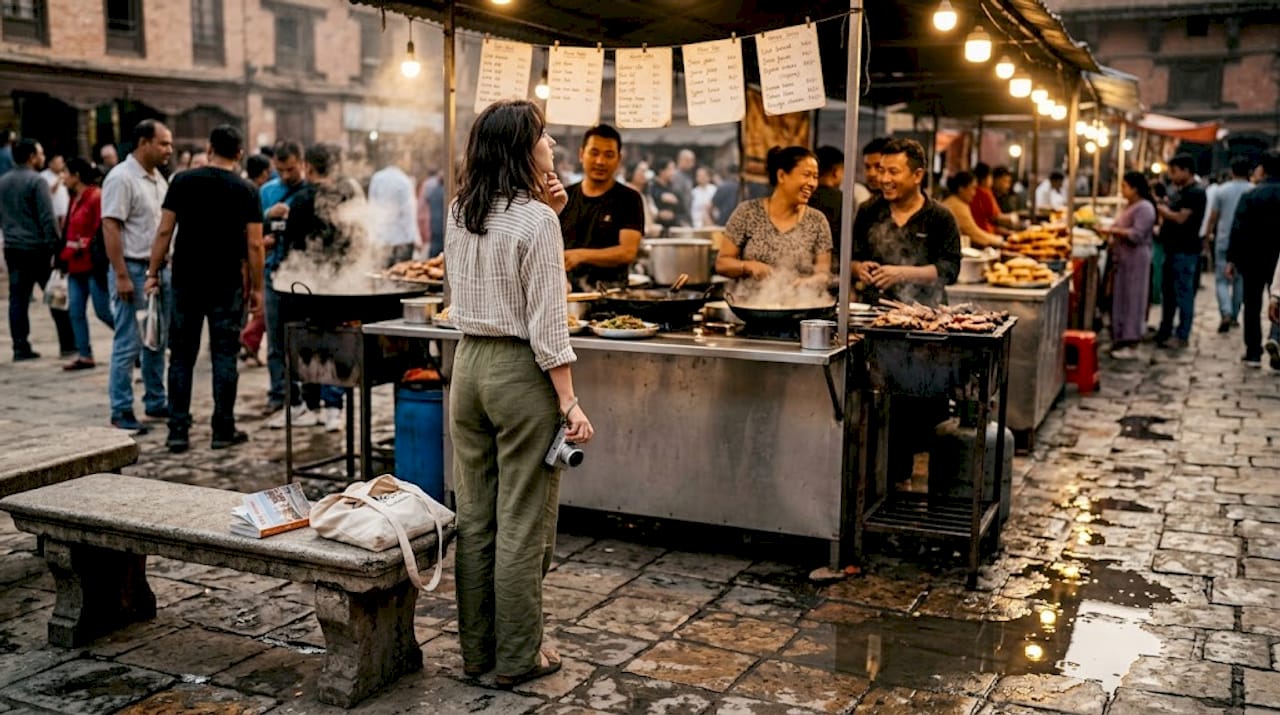
Here is a quick breakdown of immersion depth across experience types:
| Immersion level | Experience type | Example |
|---|---|---|
| Surface | Guided bus tour | Visiting the Colosseum with 200 others |
| Mid | Themed day tour | Small-group food tour in a local market |
| Deep | Homestay or immersion | Living with a family, cooking their recipes |
Deep immersion travel tends to produce the strongest memories and the most meaningful personal growth. For practical guidance on curating cultural travel, the difference between a surface visit and a genuinely transformative experience often comes down to a few specific planning choices. You can also browse travel stories and recommendations for real-world inspiration.
Nature escapes and the digital nomad trend
Two very different travel styles share one important quality: they both reject the conventional tourist circuit. Nature escapes and digital nomad travel are about finding your own rhythm, whether that means waking up to birdsong in a national park or logging into a morning meeting from a cafe in Lisbon.
Nature escape options vs. digital nomad trips:
- Nature escapes: National park road trips, eco-lodge stays in Costa Rica or Borneo, glamping in Patagonia, wildlife safaris, off-grid cabin retreats
- Digital nomad trips: Coliving spaces in Bali or Medellín, long-stay apartments in Tbilisi or Chiang Mai, coworking hubs in Lisbon or Cape Town
Personalization trends and sustainability are driving strong interest in both of these formats. Eco-conscious travelers want low-impact experiences. Remote workers want flexibility without sacrificing quality of life.
The digital nomad model is particularly compelling for professionals who have built location-independent careers. Instead of saving travel for two weeks a year, they integrate it into their daily life. The tradeoff is that it requires more planning upfront, especially around visas, time zones, and reliable internet. Curated remote work trips solve exactly that problem by handling the logistics while you focus on the work and the adventure. If you are exploring your options, it is also worth reviewing alternative travel platforms to find the right fit for your needs.
Quick comparison: Types of travel experiences at a glance
With all seven travel styles covered, here is a direct comparison to help you narrow your choice quickly.
| Travel type | Activity level | Typical cost | Solo/group | Best for | Typical duration |
|---|---|---|---|---|---|
| Adventure | High | Moderate to high | Both | Thrill-seekers, active travelers | 7 to 21 days |
| Wellness | Low to moderate | Moderate to high | Both | Burnout recovery, health goals | 5 to 14 days |
| Luxury | Low | High | Both | Special occasions, indulgence | 5 to 10 days |
| Cultural | Moderate | Low to moderate | Both | History lovers, curious minds | 7 to 14 days |
| Culinary | Low to moderate | Low to moderate | Both | Food enthusiasts, social travelers | 5 to 10 days |
| Nature escape | Moderate | Low to moderate | Solo | Introverts, eco-travelers | 4 to 14 days |
| Digital nomad | Low | Variable | Solo | Remote workers, long-stay travelers | 30 days or more |
Use this table as a starting filter. If cost is your primary constraint, cultural and culinary trips offer the highest value per dollar. If you are traveling with a group, adventure and wellness trips tend to have the best shared experiences. Browse the full range of tours to see how these styles translate into real, bookable itineraries.
Why mixing travel types leads to the richest experiences
Here is something most travel guides will not tell you: the "pick one style per trip" rule is largely a marketing convenience, not a travel truth. The most memorable trips we see planned are the ones that intentionally blend two or more styles.
Think about what that actually looks like in practice. A morning hike through a volcanic landscape followed by an evening at a local food market. A remote work week in a coastal town bookended by a weekend sailing trip. A wellness retreat that includes a full-day cultural excursion to a nearby village.
The blended approach works because different experiences activate different parts of you. Adventure builds confidence. Culture builds perspective. Wellness restores capacity. When you layer them thoughtfully, each one amplifies the others.
Conventional itinerary thinking tends to silo experiences because it is easier to package and sell. But you are not buying a package. You are designing a trip that fits your actual life. Tailored multi-style itineraries make this kind of intentional blending practical, not complicated.
Pro Tip: When mixing styles, anchor your trip around one primary experience and use secondary activities to complement it. This keeps your itinerary focused while adding variety.
Ready to create your perfect trip?
You now have a clear picture of the seven main travel styles, how they compare, and how to blend them for a richer experience. The next step is turning that clarity into an actual plan.
At DestList, our specialist curators and AI-powered planning tools work together to build itineraries that reflect your travel personality, not a generic template. Whether you want to build your custom travel plan, hand everything off with our Done For You Travel Planning service, or simply browse tours for inspiration, we cover every travel style covered in this guide. Your next trip is closer than you think.
Frequently asked questions
What are the main types of travel experiences?
The main types are adventure, wellness, luxury, cultural, culinary, nature escapes, and digital nomad travel. These categories cover the full spectrum of experiential travel trends shaping the industry in 2026.
What is the most popular travel experience in 2026?
Wellness and experiential travel are the top trends, with personalized travel ranking as a leading priority for modern travelers this year.
How can I personalize my travel experience?
Use curated planning services and AI-driven itinerary builders that match trips to your specific interests. AI-powered personalization is now one of the most effective tools for building trips that feel genuinely tailored.
What is digital nomad travel?
Digital nomad travel combines remote work and exploration, allowing travelers to live and work from multiple destinations over extended periods, often months at a time.
Why is sustainability important in travel in 2026?
Sustainability protects destinations from over-tourism and is now a core priority for both travelers and providers. Sustainable travel practices are increasingly built into itinerary design, accommodation choices, and tour operations.