
TL;DR:
- A hotel selection guide helps travelers evaluate total costs, location, and comfort before booking.
- Checking final payment screens and virtual walks ensures accurate prices and real neighborhood accessibility.
A hotel selection guide is a practical system for matching your trip needs with the right property by evaluating total cost, location, room comfort, amenities, and trustworthy reviews. Most travelers focus on the nightly rate and miss the factors that actually determine whether a stay feels worth it. The MICHELIN Guide and travel experts at Travel Radar LK both confirm that the gap between a good stay and a regrettable one almost always comes down to preparation, not price. This guide gives you a repeatable hotel selection checklist you can apply to any destination in 2026.
1. How to uncover the true cost of a hotel
The price you see first is rarely the price you pay. Hidden fees such as resort charges, city taxes, and parking can increase your total booking cost by 10–25% above the initial displayed rate. That gap is large enough to flip the value comparison between two properties entirely.
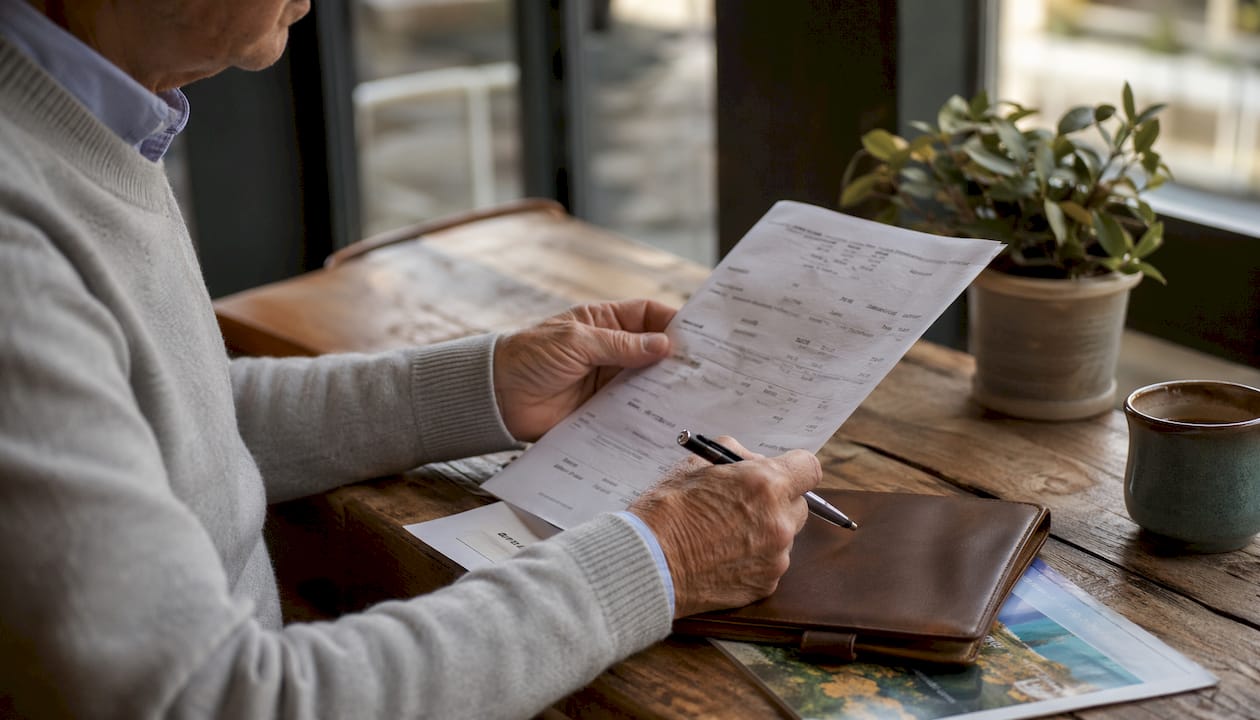
The only reliable way to see the real price is to proceed to the final payment screen before committing. Most booking platforms reveal taxes, service fees, and mandatory charges only at that last step. Skipping this step is the single most common travel mistake travelers make when comparing hotels.
Total trip cost matters more than nightly rate. A hotel that costs $20 less per night but sits far from your main attractions may cost you $30 more per day in transportation. Comparing total value means factoring in parking, breakfast, transit access, and any included amenities before drawing conclusions.
Key costs to verify before booking:
- Resort fees (often $20–$50 per night, charged separately)
- City and tourism taxes (vary by destination, sometimes 10–15%)
- Parking fees (can exceed $40 per night in urban hotels)
- Breakfast charges (if not included, budget $15–$30 per person)
- Wi-Fi fees (still charged in some mid-range properties)
Pro Tip: Check the cancellation policy before selecting a rate. Refundable rates often cost slightly more upfront but protect you fully if plans change. For trips booked more than six weeks out, the flexibility is almost always worth the difference.
2. Assessing hotel location accurately
A map pin tells you where a hotel sits. It does not tell you what it feels like to walk from that hotel to your first destination at 8:00 AM. Map markers frequently misrepresent real walkability because they ignore hills, highways, construction zones, and pedestrian access points.
Google Street View solves this problem directly. You can virtually walk the route from the hotel entrance to the nearest transit stop or main attraction and spot obstacles that no map pin reveals. This takes five minutes and has saved countless travelers from booking a hotel that looked central but required a 20-minute uphill walk with luggage.
Hotels with strong transit access and safe, walkable neighborhoods reduce daily stress and increase how much you actually enjoy a trip. Noise is another factor maps never show. A hotel on a busy nightlife street may be perfectly located by distance but completely unsuitable for light sleepers or families with young children.
Use this location checklist before booking:
- Walk the route virtually using Google Street View
- Check for hills, highway crossings, or construction on the path
- Research the neighborhood's safety rating after dark
- Identify the nearest transit stop and its operating hours
- Read recent guest reviews specifically mentioning noise or access
Pro Tip: For trips of three nights or fewer, prioritize a central location above almost everything else. For longer stays, a quieter neighborhood one transit stop away often delivers better sleep and lower costs. Destlist builds this tradeoff into every trip plan it creates so you never have to guess.
3. Evaluating room comfort and amenities
Room size is the most underestimated factor in hotel satisfaction. A room around 20 square meters is the comfortable baseline for two adults. Rooms under 16 square meters consistently lead to dissatisfaction, particularly for couples sharing the space for more than two nights.
Official hotel photos are designed to sell, not inform. Wide-angle lenses make small rooms look spacious, and marketing images rarely show the view from the bed, the bathroom condition, or the actual desk setup. Guest-uploaded photos on platforms like Google Maps and TripAdvisor show real wear, actual layouts, and honest lighting. Always check those before trusting the official gallery.
Noise is a comfort factor most travelers overlook until it ruins their sleep. MICHELIN Guide hotel inspectors recommend requesting a quiet room when booking, specifically asking for a higher floor or a room away from elevators and ice machines. Hotels almost always honor this request when made early.
| Amenity | Worth paying for | Often overstated |
|---|---|---|
| Free breakfast | Yes, for families and early risers | No, for travelers who prefer local cafes |
| Gym access | Yes, for stays over four nights | No, for short city trips |
| Pool | Yes, for beach or resort trips | No, for urban business stays |
| Concierge service | Yes, for first-time visitors | No, for experienced independent travelers |
| Room service | Yes, for late arrivals | No, for travelers who eat out every meal |
The hospitality textile and comfort standards that top hotels adopt in 2026 show that bedding quality and soundproofing have become primary differentiators at the mid-range and luxury tiers. Reading recent reviews that mention sleep quality directly is the fastest way to verify whether a property delivers on these factors.
Pro Tip: Search the hotel name plus the word "noise" or "thin walls" in Google. If multiple recent reviewers mention it, the problem is real and consistent. No amount of great location or low price compensates for three nights of poor sleep.
4. How to interpret and trust hotel reviews
AI-generated fake reviews are a real problem in 2026. An excess of perfect five-star reviews with flawless grammar and no specific details is a strong signal of fraudulent content. Genuine reviews mention specific staff names, room numbers, or concrete experiences. Generic praise like "wonderful stay, highly recommend" with no supporting detail adds no useful information.
Read reviews as data, not as individual opinions. One bad review about slow check-in means little. Fifteen reviews over six months all mentioning the same issue means the problem is structural. Patterns in complaints reveal the hotel's consistent weaknesses. Patterns in praise reveal what it genuinely does well.
"The most useful reviews are the three-star ones. They come from guests who had a real experience, found some things good and some things lacking, and took the time to explain both. Four and five-star reviews often lack detail. One-star reviews are often emotional. The middle ground is where the truth lives."
Recency matters more than volume. A hotel with 2,000 reviews but the most recent 50 all mentioning renovation noise is a property in active disruption. Prioritize the last 90 days of reviews over the overall score when making a final decision.
5. Applying a structured framework to choose your hotel
Decision paralysis is the enemy of good hotel booking. The three-hotel rule solves this directly. Shortlist exactly three finalists, each representing a different tradeoff: one optimized for location, one for price, and one for amenities or comfort. Then score each on a 1–5 scale across your weighted priorities.
The best hotel for any traveler matches their daily rhythm and trip goals. Business travelers weight fast Wi-Fi and transit access highest. Families need space, breakfast options, and safety. Leisure travelers often prioritize neighborhood character and flexibility over amenities. Your scoring weights should reflect your actual trip, not a generic checklist.
The three-hotel shortlist method removes emotional bias from the decision. When you score objectively, the hotel with the prettier photos rarely wins over the one that scores highest on your actual priorities. This approach consistently improves booking confidence and reduces post-trip regret.
Adjust your evaluation criteria by trip type:
- Business trip: Weight Wi-Fi reliability, transit access, and desk workspace at 40% of your total score.
- Family vacation: Weight room size, breakfast inclusion, and pool or play areas at 40%.
- Romantic getaway: Weight neighborhood character, room quality, and privacy at 40%.
- Adventure travel: Weight parking, flexible check-in, and luggage storage at 40%.
- City break (2–3 nights): Weight location above everything else, at 50% of your score.
Pro Tip: Build your scoring sheet in a notes app before you start searching. Filling it in during the search keeps you objective. Travelers who score hotels before reading the full description make better decisions than those who fall in love with a property first and justify it afterward.
Key Takeaways
Choosing the right hotel requires evaluating total cost, real location, room size, and review authenticity before booking, not after.
| Point | Details |
|---|---|
| Check the final payment screen | Hidden fees add 10–25% to the displayed rate; always verify the true total before booking. |
| Use Google Street View for location | Map pins mislead; virtually walk the route to assess real access, hills, and noise. |
| Prioritize guest photos over official images | User-uploaded photos reveal actual room size, wear, and layout that marketing images hide. |
| Apply the three-hotel rule | Shortlist three finalists and score them objectively to avoid emotional bias and decision paralysis. |
| Read recent reviews for patterns | Focus on the last 90 days and look for repeated complaints, not individual opinions. |
What I've learned from years of watching travelers pick the wrong hotel
The most common hotel regret I see is not about price. It is about mismatch. A traveler books a beautiful boutique hotel in a quiet residential neighborhood for a three-night city trip, then spends 40 minutes commuting to every attraction. The hotel is lovely. The trip is exhausting. The mismatch between the hotel's character and the traveler's actual daily needs is the problem.
The second most common mistake is trusting the booking summary page instead of the final payment page. I have watched travelers budget carefully for a trip, then absorb a $150 surprise in resort fees and taxes at checkout. Reading the full booking details, including the cancellation policy and fee breakdown, takes three minutes and prevents real financial pain.
My honest advice: adopt a repeatable hotel selection checklist and use it every time, regardless of how good a property looks at first glance. Check the room size in square meters. Walk the route on Street View. Read the most recent 20 reviews. Verify the total price on the final screen. These four steps take less than 15 minutes and dramatically improve your odds of a stay you actually enjoy.
The customization trends shaping travel in 2026 confirm what experienced travelers already know: the best hotel is not the most expensive or the most reviewed. It is the one that fits your specific trip goals, your daily rhythm, and your honest budget.
— Helen
How Destlist takes the guesswork out of hotel planning
Selecting the right hotel is one piece of a larger trip puzzle. Destlist builds that puzzle for you, combining AI-powered matching with human travel expertise to deliver complete, ready-to-book itineraries within 24 hours. Every hotel recommendation in a Destlist plan is matched to your budget, location priorities, and trip goals, not just your destination.

Destlist travelers get curated hotel options that already account for neighborhood fit, room quality, and total cost. Whether you are planning a family trip to Bangkok or a romantic escape to Bali, Destlist handles the research, the comparison, and the itinerary flow so you spend your time traveling, not planning.
FAQ
What is the most important factor in choosing a hotel?
Location relative to your daily itinerary is the single most important factor for short trips of three nights or fewer. For longer stays, room comfort and noise level carry equal weight.
How do I spot fake hotel reviews?
Look for clusters of five-star reviews with no specific details, identical phrasing, or flawless grammar. Genuine reviews name specific staff, rooms, or experiences and include both positives and negatives.
What hidden fees should I check before booking?
Verify resort fees, city taxes, parking charges, and Wi-Fi fees on the final payment screen. These hidden charges can add 10–25% to the initial displayed rate.
What room size is comfortable for two adults?
A room of approximately 20 square meters is the comfortable baseline for two adults. Rooms under 16 square meters consistently lead to dissatisfaction, especially for stays longer than two nights.
How do I use the three-hotel rule?
Shortlist exactly three finalists, each with a different strength: location, price, and amenities. Score each on your weighted priorities and book the highest scorer, not the one with the best photos.